

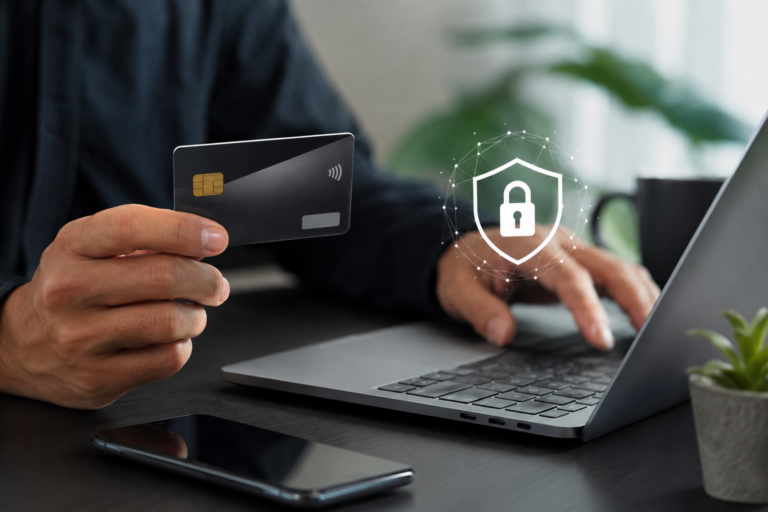
Credit cards have become an essential part of modern life, offering convenience, speed, and flexibility for everyday purchases. As digital transactions continue to expand across online platforms and mobile applications, criminals are also developing increasingly sophisticated methods to exploit vulnerabilities in payment systems.
The rapid evolution of technology has transformed the financial landscape, creating both opportunities and challenges for consumers. While financial institutions invest heavily in advanced security measures, individuals must remain informed about emerging threats and adopt proactive habits to reduce their exposure to financial crime.
Emerging methods used by cybercriminals
The digital economy has created new opportunities for electronic payments, but it has also opened the door to more complex forms of financial deception. Criminal networks are increasingly relying on advanced technology, social engineering tactics, and automated tools to gain unauthorized access to sensitive account information.
One of the most significant developments in recent years has been the rise of phishing campaigns designed to mimic legitimate organizations. Fraudsters send convincing emails, text messages, or phone calls that encourage victims to reveal account credentials, verification codes, or other confidential details. These attacks often exploit urgency and fear to manipulate unsuspecting consumers.
Another growing concern involves data breaches affecting retailers, service providers, and online platforms. When customer information is compromised, stolen data may be sold on underground marketplaces where it can be purchased and used for unauthorized transactions. Even companies with strong security measures can become targets of sophisticated cyberattacks.
Mobile payment systems have also attracted the attention of criminals. As more consumers use smartphones and digital wallets for purchases, attackers seek new ways to exploit weaknesses in devices, applications, or wireless networks. Malware designed specifically for mobile environments has become increasingly common in many regions.
Artificial intelligence is now being used by both defenders and attackers. Criminals can leverage AI-powered tools to create highly personalized scams, making fraudulent communications appear more authentic than ever before. This technological arms race continues to shape the future of electronic payment security.
Warning signs consumers should never ignore
Recognizing suspicious activity early can significantly reduce financial losses and minimize long-term consequences. Many victims overlook subtle indicators because fraudulent transactions often appear small or insignificant at first. Criminals frequently test accounts with minor purchases before attempting larger unauthorized charges.
Unexpected notifications regarding password resets, login attempts, or account changes should always be taken seriously. Even if no unauthorized transaction has occurred, such alerts may indicate that someone is attempting to gain access to personal financial information. Immediate action can prevent more serious problems later.
Consumers should also pay attention to unfamiliar calls or messages requesting verification details. Legitimate financial institutions rarely ask customers to disclose sensitive credentials through unsolicited communication channels. Requests for one-time passcodes or account numbers should always be treated with caution.
Changes in spending patterns visible through account statements can provide valuable clues. Reviewing transaction histories regularly helps identify suspicious purchases before they escalate. Early reporting often increases the likelihood of recovering lost funds and limiting further unauthorized activity.
Another important warning sign involves unusual device behavior. Slow performance, unexpected pop-ups, or unfamiliar applications may suggest the presence of malicious software. Keeping devices secure and responding promptly to suspicious activity can help prevent attackers from obtaining valuable information.
Building stronger financial security habits
Protecting personal finances requires more than relying on banks and payment providers. Consumers play a critical role in maintaining account security through responsible digital behavior and informed decision-making. Small daily habits can create powerful layers of protection against increasingly sophisticated threats.
Strong authentication practices remain among the most effective defenses available. Using unique passwords for financial accounts and enabling multi-factor authentication can significantly reduce the risk of unauthorized access. These measures create additional barriers that make it more difficult for criminals to compromise accounts.
Regular monitoring is equally important. Reviewing statements, transaction alerts, and account activity allows consumers to identify irregularities quickly. Many financial institutions now offer real-time notifications that provide immediate awareness of purchases and account changes.
Secure internet usage has become essential in a world where online shopping is commonplace. Avoiding public Wi-Fi networks for sensitive transactions, updating software regularly, and downloading applications only from trusted sources can help reduce exposure to cyber threats. These precautions strengthen the security of personal devices and online activities.
Education remains one of the most valuable tools in preventing financial crime. As attackers continuously adapt their techniques, staying informed about emerging risks enables consumers to recognize deceptive tactics more effectively. Awareness, combined with practical security habits, creates a strong foundation for protecting financial information in an increasingly connected world.
The future of payment security will continue to evolve alongside technological innovation. While new threats will undoubtedly emerge, individuals who remain vigilant, adopt protective measures, and respond quickly to suspicious activity will be better positioned to safeguard their finances. A proactive approach remains the most reliable defense against unauthorized account activity and financial loss.
The role of financial institutions in fraud prevention
Financial organizations continue to invest heavily in advanced technologies designed to detect suspicious behavior before significant damage occurs. Sophisticated monitoring systems analyze transaction patterns in real time, identifying unusual activities that may indicate unauthorized account usage or attempted financial crimes.
Machine learning has become an essential component of modern risk management strategies. By examining large volumes of transaction data, intelligent systems can recognize anomalies that might be overlooked through traditional review methods. This allows institutions to respond more quickly to emerging threats and reduce potential losses.
Collaboration between banks, payment processors, technology providers, and regulatory agencies has also strengthened defensive capabilities across the financial sector. Information-sharing initiatives help organizations identify new attack methods and develop coordinated responses that improve overall security standards.
Customer education remains another critical area of focus. Many institutions now provide security alerts, awareness campaigns, and guidance on safe digital practices. These efforts empower consumers to recognize deceptive schemes and make informed decisions when managing their financial accounts.