

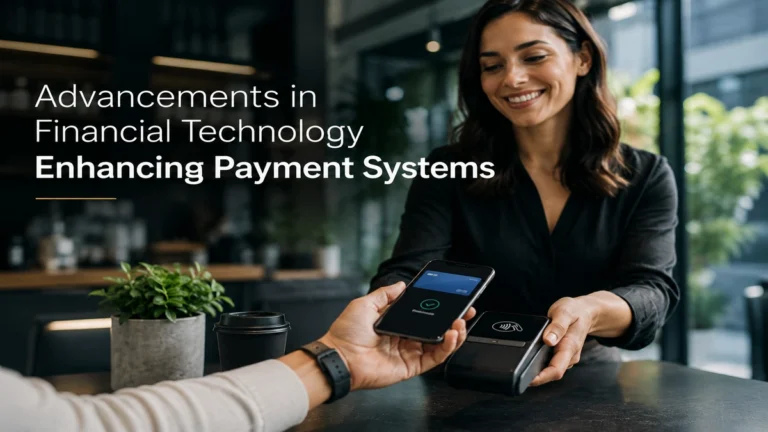
The evolution of digital monetary interactions has greatly impacted how transactions occur worldwide. Among these changes, the role of finances remains central, guiding innovations that streamline economic exchanges. This development not only promotes efficiency but also broadens access to monetary solutions across diverse populations. Technological integration in payment platforms has ushered in a new era for consumers and businesses alike.
Modern tools are reshaping traditional money transfer methods by leveraging cutting-edge systems that enhance security and convenience. These advancements cater to the increasing demands of fast-paced economies, where instant processing and transparency are crucial. Consequently, the interface between users and their financial data continues to improve, ensuring greater control and peace of mind during transactions.
Emergence of biometric authentication in digital transfers
One of the groundbreaking shifts in transaction security involves the use of biometric verification techniques. Technologies such as fingerprint scanning and facial recognition offer a reliable alternative to conventional passwords or PINs. This evolution not only reduces fraud risks but also enhances the user experience by simplifying access procedures for various platforms.
Financial institutions are rapidly adopting biometric methods to safeguard consumer information and authorize payments effectively. These systems use unique physiological features, creating a robust layer of defense against unauthorized activities. Additionally, the increasing accuracy of these tools means fewer false rejections, ensuring smoother user interactions during sensitive operations.
Implementing biometric technologies in payment processing also prioritizes privacy concerns through encrypted data storage and transmission. By minimizing reliance on static credentials, it decreases potential cyber vulnerabilities. This simultaneous focus on security and usability is instrumental in building trust in novel monetary solutions among broader audiences.
Moreover, the adaptability of biometric authentication supports integration into mobile and wearable devices, facilitating more accessible financial engagements. As consumers expect seamless experiences, these advancements align with lifestyle trends favoring effortless and secure transaction methods. Hence, biometric innovations are becoming integral components of next-generation payment ecosystems.
Role of artificial intelligence in fraud detection
Artificial intelligence has transformed risk assessment within monetary transaction systems by enabling real-time analysis and pattern recognition. Advanced algorithms continuously learn from vast amounts of data to identify irregularities and prevent malicious activities. This proactive approach represents a significant leap from traditional reactive security measures that often lagged behind emerging threats.
AI-driven tools scrutinize multiple variables simultaneously, including user behavior and transaction history, to detect anomalies that might signal fraud. This continuous monitoring allows for quicker responses, reducing financial losses and increasing confidence among stakeholders. Adaptive machine learning models further refine accuracy over time, adjusting to evolving tactics employed by criminals.
Integrating AI in monitoring systems enhances operational efficiency by reducing manual oversight requirements. Automated alerts and decision-making capabilities free human experts to focus on complex cases, optimizing resource allocation. Consequently, the financial sector benefits from heightened protection without compromising customer service quality or experience.
Furthermore, AI applications extend beyond detection to include predictive analytics that foresee potential security breaches. Early warnings empower institutions to implement preventive actions, thereby strengthening the overall resilience of payment networks. This comprehensive intelligence framework embodies a strategic asset in combating financial misconduct.
Blockchain technology rewriting transaction frameworks
Decentralized ledger systems have revolutionized record-keeping and asset transfer methods by providing transparent, immutable, and secure infrastructures. These distributed technologies eliminate the need for intermediaries, simplifying payment processes and reducing associated costs. Their inherent trustworthiness addresses historical concerns related to third-party reliability and data integrity.
Incorporating blockchain into monetary exchanges enables peer-to-peer transactions with instant settlement, bypassing traditional clearinghouses. This efficiency minimizes delays and fosters greater liquidity in various financial environments. The transparency of such ledgers also facilitates regulatory compliance and auditability, meeting rigorous governance standards.
Moreover, smart contracts executed on blockchain networks automate agreements and payments based on predefined conditions. This innovation decreases human error and accelerates transactional workflows. By embedding contractual logic within code, parties gain assurance that terms are enforced without intermediaries’ intervention, promoting fairness and clarity.
The scalability and interoperability of distributed ledgers continue to improve, broadening their applicability in cross-border payments and multi-currency exchanges. These qualities are transforming how individuals and organizations interact financially, heralding a paradigm shift in global trade and commerce.
Impact of mobile payment solutions on consumer behavior
The widespread adoption of smartphone-based transaction applications has fundamentally changed spending habits and financial management. These tools provide users with quick, convenient access to services like peer transfers, bill payments, and merchant checkouts, all from a single device. The ubiquity of mobile platforms has led to increased frequency and diversity of monetary interactions.
Mobile wallets incorporate advanced encryption and tokenization to protect sensitive information during each activity. This security fosters trust and encourages users to transition from cash or card-based methods to digital alternatives. Enhanced usability features, such as biometric login and instant notifications, further contribute to positive user experiences and sustained engagement.
The integration of loyalty programs, personalized offers, and expense tracking within mobile payment apps influences purchasing patterns by incentivizing repeat usage. Users become more conscious of their financial behaviors, often leading to budget improvements and savings. These interactive elements also deepen the relationship between consumers and financial service providers.
Additionally, the accessibility of digital financial services via mobile devices has expanded inclusion to underserved demographics lacking traditional banking infrastructure. This democratization of monetary tools supports economic empowerment, particularly in emerging markets where mobile penetration exceeds conventional banking access.
Finances innovation through cloud computing
Cloud-based infrastructures are accelerating the modernization of monetary systems by offering scalable, flexible, and cost-effective solutions for data storage and processing. Financial institutions leverage these technologies to handle vast transaction volumes and complex analytical tasks without substantial investments in physical hardware. This transition supports agility in adapting to dynamic market requirements.
Cloud services enable seamless integration among diverse platforms, facilitating interoperability across multiple financial applications. This connectivity streamlines workflows, reduces latency, and enhances user access to services anytime, anywhere. Moreover, these solutions often include robust disaster recovery and backup capabilities, ensuring operational continuity.
Security remains a priority in cloud deployments for fiscal services, with providers adopting encryption protocols, multi-factor authentication, and strict compliance with regulations. These measures safeguard sensitive client data and transaction records against cyber threats and unauthorized access, reinforcing confidence in virtual environments.
Furthermore, the elasticity of cloud resources allows institutions to optimize performance during demand surges, such as peak transaction periods or promotional events. This adaptability reduces service interruptions and improves overall customer satisfaction, strengthening competitive positions in the evolving financial marketplace.