

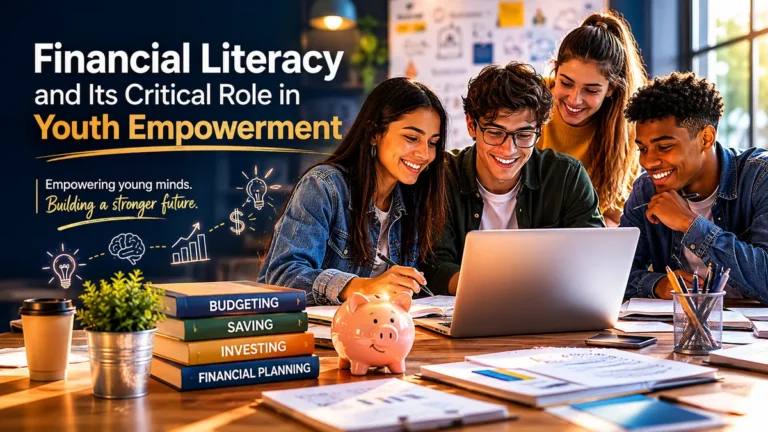
Understanding the management of finances serves as a fundamental pillar in empowering young individuals, equipping them to make informed decisions related to their economic environment. Early exposure to monetary concepts fosters responsibility and self-sufficiency, elements crucial to cultivating confident adults capable of navigating financial challenges effectively.
Developing monetary skills at a young age not only aids in creating a secure future but also opens pathways toward entrepreneurial ventures or responsible consumer habits. These abilities encourage an awareness that transcends mere survival, inspiring a proactive approach to personal growth and community involvement.
The influence of economic education on decision-making skills
Introducing economic education helps youth build analytical skills enabling them to assess needs versus wants critically. This differentiation is key to preventing impulsive spending and promotes thoughtful allocation of resources, ensuring stability in both short and long-term planning scenarios.
Cultivating such skills enhances the capacity to evaluate risk and reward when presented with financial opportunities or obligations. By applying these analytical tools, young people can avoid common pitfalls like debt accumulation and learn to prioritize investments in their development.
Moreover, economic literacy nurtures problem-solving abilities by encouraging individuals to consider multiple factors influencing financial outcomes. This holistic perspective is crucial in making well-rounded decisions that align with personal values and realistic goals.
The development of decision-making abilities through financial education also encourages resilience. Encountering obstacles in managing money teaches adaptability and persistence, traits that are transferable to various life domains beyond economics. These experiences help individuals build confidence in solving problems independently and making informed choices under uncertain circumstances.
Strategies for integrating financial insights into everyday life
Practical application of fiscal knowledge involves setting budgets and tracking expenses regularly. This habit anchors abstract concepts in tangible activities, reinforcing learning through consistent practice and immediate relevance. Over time, these routines cultivate financial discipline and improve the ability to manage resources effectively.
Youth are encouraged to engage in simulation exercises such as managing virtual accounts or participating in financial games. These methods offer experiential learning opportunities that deepen comprehension and retention of monetary principles. Interactive experiences also make financial education more engaging and accessible for different learning styles.
Incorporating discussions about economic events and their impact fosters awareness of the broader context influencing personal finances. This connection between global factors and individual circumstances enriches the educational experience. It also helps young individuals develop critical thinking skills when evaluating financial information and market developments.
Encouraging mentorship relationships with financially savvy individuals provides personalized guidance, allowing young people to ask questions and receive tailored advice. Such relationships build confidence and demonstrate practical application of theory. Mentors can also share valuable real-world experiences that help bridge the gap between financial concepts and everyday decision-making.
The psychological impacts of monetary confidence on young individuals
Confidence in handling fiscal matters directly contributes to higher self-esteem among youth, empowering them to tackle challenges proactively. This psychological advantage supports mental well-being by reducing anxiety related to economic uncertainties. As a result, individuals are more likely to make informed decisions and approach financial responsibilities with greater assurance.
Feeling competent in resource management fosters a sense of control over one’s life trajectory. This empowerment translates into motivation and willingness to pursue ambitious objectives without fear of financial failure. Greater confidence in managing finances also encourages long-term planning and more responsible decision-making habits.
Conversely, lack of monetary understanding can trigger feelings of helplessness and dependency, impeding personal growth. Addressing this gap early helps prevent the development of chronic stress associated with financial insecurity. Early education equips young people with the knowledge needed to navigate economic challenges more effectively and independently.
Psychological resilience gained through monetary education often extends beyond fiscal areas, enhancing emotional regulation and perseverance when confronting adversity in various contexts. These strengths contribute to improved problem-solving abilities and a more positive outlook when facing personal and professional obstacles.
Role of peer influence in shaping economic behaviors
Peers can significantly impact young individuals’ attitudes towards money by modeling responsible or reckless behaviors. Positive influences encourage the adoption of prudent financial habits and discourage impulsive actions detrimental to economic health. Exposure to financially responsible role models can also inspire long-term planning and greater awareness of personal financial responsibilities.
Group discussions about financial goals facilitate collective learning and accountability, motivating members to maintain discipline and share strategies for success. This community aspect strengthens commitment to sound money management. Collaborative exchanges also expose participants to diverse perspectives and practical approaches that can improve financial decision-making.
Conversely, negative peer pressure may promote excessive consumption or disregard for saving, underscoring the need for supportive environments that validate healthy fiscal values. Encouraging critical thinking helps young people resist harmful influences and make choices aligned with their long-term interests.
Recognizing the power of social circles enables educators and mentors to design programs that harness positive peer dynamics, enhancing the effectiveness of economic education initiatives. Such approaches foster engagement, reinforce learning outcomes, and create networks of support that encourage lasting financial responsibility.
Finances as a tool for social mobility and independence
Mastering monetary skills empowers youth to break cycles of poverty by enabling access to opportunities such as higher education, entrepreneurship, or home ownership. This financial acumen serves as a lever for upward social movement and autonomy. It also increases the capacity to make strategic decisions that support long-term personal and professional advancement.
The ability to earn, save, and invest responsibly transforms aspirations into achievable realities, fostering hope and determination within communities often faced with systemic challenges. These capabilities provide a foundation for sustainable wealth creation and improved quality of life across generations.
Managing resources effectively also reduces reliance on external support systems, promoting independence and reinforcing self-confidence in personal capabilities. Greater financial self-sufficiency enables individuals to navigate unexpected circumstances with increased stability and resilience.
Furthermore, financial empowerment encourages civic engagement, as economically secure individuals are more likely to contribute positively to society through informed participation and philanthropy. Their involvement can strengthen community development efforts and support initiatives that create broader social and economic benefits.
Developing lifelong financial habits for sustained empowerment
Establishing sound monetary routines early in life provides a foundation that supports continuous personal and professional growth. These habits include regular saving, diligent budgeting, and informed spending, all of which contribute to financial stability. Over time, these practices become ingrained behaviors that support responsible decision-making and long-term financial security.
Such sustainable practices enable individuals to weather economic fluctuations and unexpected expenses without compromising their objectives or well-being. They also create a stronger sense of preparedness, reducing stress and increasing confidence during periods of uncertainty.
Embedding discipline and foresight within daily activities builds a mindset geared towards long-term success rather than short-lived gratification, cultivating patience and strategic planning. This perspective encourages more thoughtful choices that align immediate actions with future aspirations and goals.
Ultimately, the consistency of these behaviors reinforces confidence in managing life’s complexities, extending beyond finances to influence overall personal effectiveness and satisfaction. The skills developed through disciplined financial management can positively impact career development, relationships, and overall quality of life.