

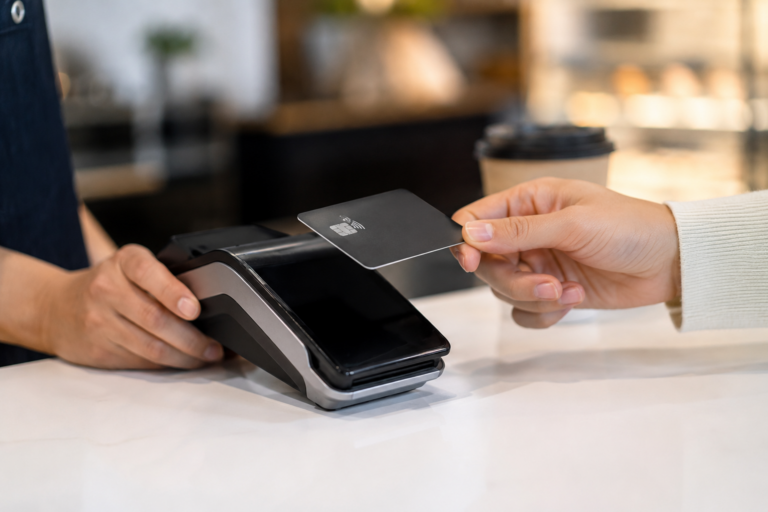
The convenience of modern financial transactions has been significantly influenced by advancements in payment technology. One notable development is the evolution of contactless credit cards, which have reshaped everyday spending habits by offering a swift and secure alternative to traditional methods. This innovation has integrated seamlessly into daily life, allowing consumers to complete purchases with a simple tap.
Credit cards, in their contactless form, leverage near-field communication (NFC) technology to facilitate quicker transactions without physical contact with payment terminals. This transition has not only enhanced consumer experience but also prompted a technological shift in retail environments. Understanding how this mechanism operates helps appreciate its impact on financial interactions worldwide.
Integration of contactless technology in modern payment systems
Contactless payment methods emerged in response to the demand for speed and efficiency at checkout points. The embedded NFC chips within payment cards communicate wirelessly with compatible readers, transmitting encrypted payment information securely. This innovation reduces transaction times significantly compared to chip-and-PIN or magnetic stripe transactions.
The adoption of this technology by banks and financial institutions accelerated its acceptance among consumers and merchants alike. Encouraging users to embrace an effortless payment experience, contactless cards offer a key advantage in busy retail settings, minimizing queues and enhancing overall satisfaction. Such adoption also encourages further technological investments.
On the merchant side, upgrading point-of-sale systems to accept contactless payments has become a strategic move to attract customers seeking convenience. These systems rely on robust security protocols to ensure that the absence of a PIN does not compromise protection against fraudulent activities. Thus, merchants balance usability with safety effectively.
Furthermore, governments and regulatory bodies have played a role by setting standards that ensure interoperability and security for contactless transactions. This regulatory environment fosters trust and encourages innovation within the financial services sector, ensuring that the benefits of contactless technologies can reach a wider audience responsibly.
Security measures enhancing contactless transaction safety
Despite initial skepticism about contactless payments, multiple security layers are integrated to safeguard users. Transaction amounts are often limited to reduce potential losses if a card is lost or stolen. Additionally, dynamic encryption methods protect transmitted data from interception during wireless communication.
Card issuers implement fraud detection algorithms that monitor transaction patterns, flagging suspicious behavior for immediate action. These preventive measures contribute to the low incidence of fraud associated with contactless transactions compared to conventional card usage. Consumer confidence grows as a result of these protections.
The physical design of cards also incorporates features aimed at preventing unauthorized use. Cards deactivate automatically if not near a reader, and some offer user-configurable settings to disable contactless functions temporarily. Such features empower users to maintain control over their financial instruments.
Moreover, tokenization replaces sensitive card details with randomized tokens during payments, adding another layer of security. Merchants receive only token information, reducing exposure to sensitive data breaches. Collectively, these measures address many prior concerns, facilitating broader acceptance.
Transformation in consumer purchasing behavior due to contactless payments
The introduction of contactless credit cards has altered how customers approach everyday spending by emphasizing convenience and speed. Quick transactions reduce friction, encouraging spontaneous purchases and improving satisfaction during shopping experiences. This behavioral shift impacts retail dynamics profoundly.
Consumers increasingly prefer venues that offer contactless payment options, associating them with modernization and efficiency. The ease of tapping the card fosters a perception of hassle-free expenditure, which in some cases may lead to higher transaction frequency. Retailers observe these trends and adapt accordingly.
Furthermore, contactless technology caters well to public health concerns by minimizing physical contact points, an aspect that has gained importance in recent times. This feature not only improves hygiene standards but also reassures users hesitant about handling communal surfaces. Thus, it influences shopping preferences beyond mere convenience.
The adoption of mobile wallets with NFC capabilities complements contactless cards, enabling users to pay via smartphones or wearable devices. This convergence of technologies further entrenches contactless methods as the preferred payment mode, redefining the consumer payment landscape comprehensively.
Impact on small businesses and point-of-sale environments
Small enterprises stand to benefit significantly from contactless payment adoption due to streamlined checkouts and quicker customer turnover. With fewer barriers at the point of sale, businesses experience enhanced operational efficiency and potentially increased sales volumes. This technological upgrade influences competitive positioning in the market.
Additionally, reduced cash handling minimizes risks and operational costs associated with counting, storing, and transporting currency. This efficiency not only improves security but also reallocates employee effort toward customer service and other critical functions, thereby elevating the overall business environment.
The integration of contactless payment terminals also provides small business owners with valuable transaction data analytics. Insights derived from purchase patterns enable fine-tuning of marketing strategies and inventory management. This data-driven approach supports informed decision-making and growth opportunities for small merchants.
Financial inclusivity also improves as contactless payments lower barriers for consumers lacking access to large banking infrastructure. Small vendors can accept a diverse range of payment formats easily, expanding their customer base and fostering economic participation in emerging markets.
Credit cards reshaping the future of global transactions
Credit cards equipped with contactless functionalities are at the forefront of transforming global commerce by facilitating seamless and efficient transactions across borders. Their widespread acceptance enhances travel experiences and international shopping, bypassing currency exchange hassles and lengthy payment procedures.
Global networks supporting these cards ensure interoperability with terminals worldwide, enabling users to transact effortlessly in diverse economic regions. This integration promotes economic globalization by smoothing financial interactions and reducing transactional friction for consumers and merchants alike.
Advancements in this field are driving innovations such as biometric authentication and virtual card services, further securing and simplifying payment processes. These developments position contactless credit instruments as pivotal components of the evolving financial ecosystem, setting standards for future technologies.
Governments and financial regulators continue to endorse and refine frameworks that support the safe expansion of contactless payment capabilities internationally. By fostering collaboration among stakeholders, they enhance resilience and consumer protection within cross-border payment infrastructures, ensuring sustainable technological progress.
Technological challenges and future trends in tap-to-pay solutions
While contactless payments offer significant advantages, several technical challenges persist, including device compatibility and infrastructure standardization. Overcoming these barriers is essential to maximize the benefits and ensure equitable access to efficient payment methods worldwide. Addressing such challenges requires continuous innovation and cooperation.
Emerging trends focus on integrating artificial intelligence to enhance fraud detection and personalize user experiences. These intelligent systems learn from transactional data to anticipate risks and optimize convenience, marking a new era in payment security and customer service sophistication.
The proliferation of Internet of Things (IoT) devices introduces possibilities for embedded payment solutions across various contexts, such as smart homes and connected vehicles. This diversification broadens the scope of contactless transactions beyond traditional retail, embedding convenience deeply into daily routines.
Moreover, sustainability considerations are prompting the development of eco-friendly card materials and energy-efficient payment terminals. Such initiatives align financial technology advancements with global environmental goals, illustrating a commitment to responsible innovation within the payments industry.