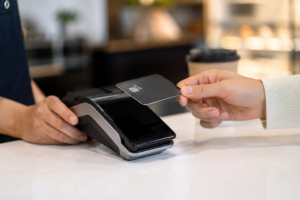


Credit cards have become one of the most important tools in modern digital commerce, allowing consumers to complete purchases quickly and efficiently from virtually anywhere in the world. Their widespread acceptance and ease of use have transformed the way people interact with online stores, creating a smoother and more reliable purchasing journey.
As electronic retail continues to expand, payment methods play a critical role in shaping customer satisfaction and trust. The ability to complete transactions within seconds, combined with enhanced security measures and flexible spending options, has helped establish digital purchasing as a preferred choice for millions of consumers worldwide.
The evolution of digital purchasing convenience
The growth of internet-based retail has fundamentally changed consumer behavior. Instead of visiting physical stores, shoppers can browse thousands of products from their computers, tablets, or smartphones at any time of day. This convenience has created new expectations regarding speed, accessibility, and efficiency.
One of the main factors contributing to this transformation is the ability to complete transactions without complicated procedures. Modern payment systems allow customers to finalize purchases with minimal effort, reducing friction during the checkout process and encouraging higher completion rates.
Digital wallets, saved payment credentials, and automated billing features have further simplified the customer journey. These innovations eliminate repetitive data entry, making repeat purchases significantly faster while maintaining a high level of convenience.
Merchants also benefit from streamlined transaction processes. Faster checkouts often lead to reduced cart abandonment rates, enabling businesses to increase revenue while providing a more satisfying experience for their customers.
As technology continues to evolve, the integration between financial services and online marketplaces is becoming increasingly sophisticated. Consumers now expect instant payment authorization and immediate confirmation, creating a seamless interaction between purchasing decisions and transaction completion.
Security features that strengthen consumer confidence
Trust remains one of the most important elements in digital commerce. Consumers are far more likely to complete purchases when they feel confident that their financial information is being protected throughout the transaction process.
Advanced encryption technologies help safeguard sensitive payment data during transmission. These protective measures significantly reduce the risk of unauthorized access and provide an essential foundation for secure online transactions.
Fraud detection systems add another layer of protection by monitoring purchasing activity in real time. When unusual behavior is detected, financial institutions can quickly intervene, helping prevent unauthorized transactions before significant damage occurs.
Many providers also offer purchase protection programs that give consumers additional peace of mind. These benefits may include dispute resolution mechanisms, refund assistance, or protection against certain types of fraudulent activity.
The combination of technological safeguards and consumer protection policies creates a more secure environment for digital commerce. As a result, shoppers are increasingly willing to engage with online retailers and explore new marketplaces with confidence.
The future of frictionless digital transactions
The next generation of payment technology is expected to focus heavily on speed and personalization. Artificial intelligence, biometric authentication, and predictive analytics are already beginning to reshape how consumers interact with digital marketplaces.
Biometric verification methods such as facial recognition and fingerprint authentication can simplify transaction approval while maintaining strong security standards. These technologies reduce dependence on traditional passwords and make the purchasing process more intuitive.
Personalized payment experiences are also becoming more common. By analyzing purchasing habits and preferences, financial service providers can offer tailored solutions that align with individual consumer needs and spending patterns.
Cross-border commerce is another area experiencing significant growth. Modern payment infrastructures enable customers to purchase products from international retailers with fewer barriers, supporting a more connected global marketplace and expanding opportunities for businesses of all sizes.
Looking ahead, digital commerce will likely become even more integrated into everyday life. Emerging technologies will continue to eliminate obstacles between consumers and merchants, creating purchasing experiences that are faster, safer, and more convenient than ever before. As innovation advances, payment solutions will remain a central component of the ongoing evolution of global electronic retail.
The influence of modern financial tools extends beyond simple transaction processing. They support consumer confidence, enable business growth, and encourage the continued expansion of internet-based commerce across diverse industries and geographic regions.
As expectations for convenience continue to rise, organizations will invest heavily in technologies that reduce complexity and improve user experiences. This commitment to innovation will help shape the future of commerce while strengthening the relationship between consumers and digital marketplaces.
Ultimately, the success of online retail depends on the ability to create smooth and trustworthy purchasing journeys. Efficient payment mechanisms serve as the bridge between consumer intent and completed transactions, making them an indispensable part of the modern digital economy.
The impact of payment flexibility on consumer behavior
The ability to spread purchases over time has become a significant factor influencing online buying decisions. Flexible payment options encourage consumers to complete transactions they might otherwise postpone, especially when purchasing higher-value products or services.
Many shoppers appreciate having greater control over their financial planning. Access to revolving credit allows them to manage expenses more effectively while maintaining the freedom to acquire necessary items without immediate full payment.
This financial flexibility also benefits retailers by increasing purchasing confidence. When consumers know they have convenient payment alternatives available, they often feel more comfortable exploring a wider range of products and making larger purchases.
Seasonal shopping periods provide a clear example of this behavior. During holidays and promotional events, consumers frequently rely on available credit to take advantage of limited-time offers without disrupting their regular monthly budgets.
The relationship between convenience and spending power continues to shape the future of digital commerce. As financial services evolve, consumers are likely to expect even more adaptable payment experiences that combine accessibility, security, and financial control within a single purchasing journey.